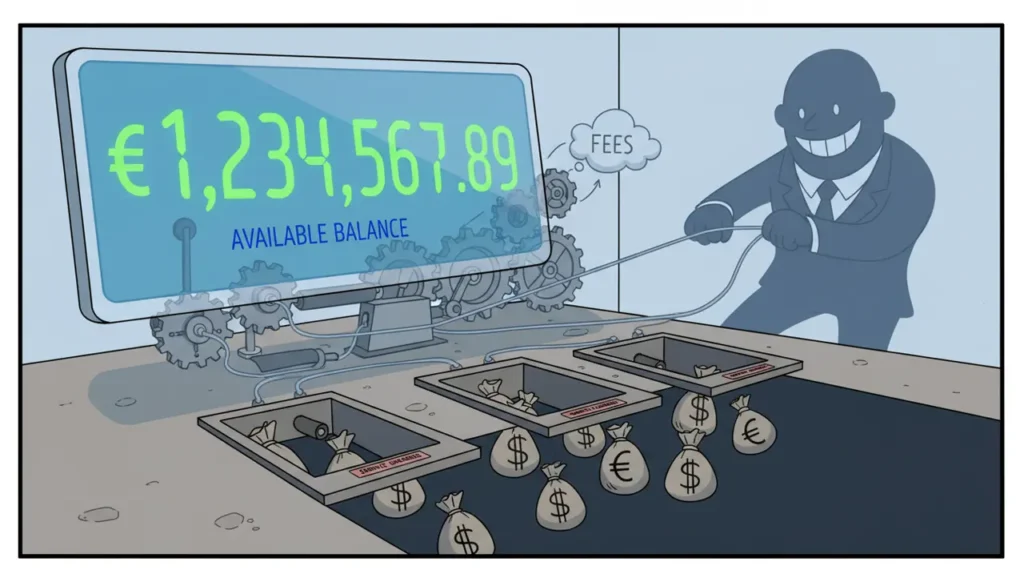
Xero Cash Flow Management Singapore: Why The Bank Balance Is Not Enough
Xero cash flow management in Singapore starts with one important distinction:
The bank balance is a snapshot. Cash flow is the movement and timing behind that balance.
A healthy-looking bank account may still need to cover payroll, supplier bills, GST, tax, loans and other commitments that have not yet left the account.
Why The Bank Balance Can Feel Misleading
The number shown in the bank account tells you how much cash is there now.
It does not automatically tell you:
- Which payments are due next.
- How much payroll must be funded.
- Whether GST or tax is approaching.
- Which customers may pay late.
- Whether supplier balances are growing.
- How much cash is tied up in stock or projects.
- Whether a large payment has been forgotten.
This is why owners can see money in the bank and still feel uncertain about whether they can safely spend it.
Cash Flow And Profit Are Not The Same
A business may report a profit while experiencing cash pressure.
For example:
- A sale may be recorded before the customer pays.
- Stock may be purchased before it is sold.
- A project may require materials and subcontractors upfront.
- Loan-principal repayments reduce cash but do not appear as ordinary operating expenses.
- Equipment purchases reduce cash but may be recognised over time in the accounts.
The profit and loss report explains financial performance. Cash-flow review explains whether the money arrived and remained available at the right time.
Seven Cash Signals To Review In Xero
1. Current Bank Position
Review the balances across the business’s bank and payment accounts rather than relying on one account alone.
2. Overdue Customer Invoices
Identify how much cash is waiting to be collected and which customers require follow-up.
3. Upcoming Supplier Payments
Review bills due soon and whether they fall before the next expected customer collections.
4. Payroll And Statutory Commitments
Include payroll, CPF where applicable, GST, tax and other fixed payment dates in the wider cash position.
5. Working Capital Pressure
Check whether cash is increasingly tied up in stock, work in progress, deposits or slow-paying customers.
6. Operating Expense Movement
Review whether recurring overhead has grown faster than the amount available to support it.
7. Unusual Cash Movements
Investigate major equipment payments, loan repayments, director withdrawals and other movements outside normal operations.
1. Review Customer Collections
Outstanding invoices are one of the clearest links between profit and cash.
When invoices are raised, revenue may appear in the accounts. But cash does not arrive until the customer pays.
Review:
- Total outstanding receivables.
- Invoices already overdue.
- Large invoices expected soon.
- Customers with repeated payment delays.
- Invoices delayed because of disputes or missing documents.
- Whether follow-up responsibility is clear.
The business should not wait until cash becomes critical before contacting customers.
2. Review Supplier And Payment Timing
The total amount payable matters, but the payment dates matter just as much.
A business may be financially healthy overall but experience pressure because several major commitments fall due before the next large customer receipt.
Review:
- Bills due before the next expected collection.
- Suppliers requiring deposits or early payment.
- Overdue balances that may affect supply.
- Recurring payroll, rent and loan dates.
- Whether payment terms still match the business cycle.
The purpose is not to delay every supplier payment. It is to understand the timing before making additional spending commitments.
3. Watch Cash Tied Up In Stock And Projects
Growth may require the business to fund more work before receiving payment.
This is common when the business:
- Buys stock in advance.
- Pays subcontractors before customers pay.
- Provides long customer credit terms.
- Holds deposits with suppliers or landlords.
- Funds large projects in stages.
Higher sales can therefore increase cash pressure rather than immediately reducing it.
Management should review whether the business has enough working cash to support the level of growth being pursued.
4. Review The Amount Supporting Overhead
Total revenue is not always the most useful starting point for spending decisions.
Part of that revenue may be required for materials, stock, commissions, fulfilment or subcontractors.
The amount remaining after direct delivery costs provides a clearer view of what is available to support operating expenses and profit.
CFOSg refers to this management view as Spendable Revenue.
If operating expenses consume most of the amount remaining, the business may feel cash pressure even while sales look healthy.
5. Include Tax And Other Committed Cash
Some of the cash in the bank may already be needed for future obligations.
Examples may include:
- GST.
- Corporate tax.
- Payroll-related commitments.
- Loan repayments.
- Annual insurance or licence renewals.
- Large supplier payments.
A strong current balance can create false comfort when these future payments are not considered.
6. Make Sure The Xero Records Are Current
Cash-flow review depends on reliable underlying records.
Before relying on the reports, confirm that:
- Bank accounts are reconciled.
- Customer invoices are current.
- Supplier bills have been entered.
- Payroll information is included.
- Large or unusual transactions have been reviewed.
- Duplicate or missing entries are being investigated.
An incomplete Xero file may make the business appear stronger or weaker than it really is.
Operational Checks Versus Monthly Money Day
Some cash-related work should happen throughout the month.
This includes:
- Raising customer invoices promptly.
- Following up overdue accounts.
- Entering supplier bills.
- Checking bank-feed exceptions.
- Reconciling transactions.
- Monitoring urgent payment commitments.
The owner can then use monthly Money Day to review the wider position and make decisions.
Monthly Money Day Questions
- Did the total bank position improve or weaken?
- Which customer invoices need action?
- What major payments are approaching?
- Is more cash being tied up in stock or projects?
- Did operating expenses increase?
- Does reported profit match the cash experience?
- Which one issue needs attention next?
The owner does not need to personally complete every accounting task.
The owner does need to know when the records are ready and what decision the numbers support.
How Xero Supports Cash Flow Management
Xero can help organise the financial information needed for cash-flow review.
Useful areas include:
- Bank feeds and reconciliation.
- Outstanding invoice reports.
- Outstanding bill reports.
- Bank Summary reporting.
- Profit and loss reporting.
- Balance-sheet accounts.
- Short-term cash-flow tools where available and suitable.
However, Xero does not automatically know which supplier payment should be prioritised, whether a new expense is sensible or what the owner should fix first.
The software provides information. Management still needs to interpret the timing and decide what action to take.
When A Cash-Flow Forecast Is Useful
Not every business needs a large or complicated forecast.
But a forward-looking cash view becomes more useful when:
- Sales are seasonal.
- Customer payments are uneven.
- Projects require significant upfront spending.
- The company is hiring.
- A major purchase is planned.
- Loan repayments are increasing.
- Cash is already tight.
The forecast does not need to predict every dollar perfectly.
Its purpose is to show likely pressure early enough for management to respond.
Common Cash-Flow Mistakes
- Using the bank balance as the only spending guide.
- Counting unpaid invoices as though the cash has arrived.
- Ignoring GST, tax and loan dates.
- Buying more stock without reviewing how quickly it sells.
- Allowing operating expenses to grow without review.
- Waiting until month-end to enter supplier bills.
- Relying on reports before bank accounts are reconciled.
- Assuming more sales will automatically solve a timing problem.
Common Questions About Xero Cash Flow Management Singapore
Why does the bank balance look healthy while I still feel stressed?
Do I need a complicated cash-flow spreadsheet?
How often should cash be reviewed?
Can Xero predict my future cash position?
Why can profit increase while cash falls?
Will higher sales fix the cash problem?
The Xero Cash Flow Management Takeaway
Cash-flow control is not about predicting the future perfectly.
It is about seeing enough of the next financial pressure to act before it becomes urgent.
A useful review should help the owner understand:
- What cash is available now.
- What cash is already committed.
- What needs to be collected.
- What major payments are approaching.
- Where cash is being tied up.
- What action needs to happen next.
Related: Xero Reports But No Cash • Xero Bank Summary Report • Xero Reconciliation • CPR Compass™
Does Your Bank Balance Keep Creating False Comfort?
CFOSg can help review your Xero records, collections, upcoming payments and cash timing so you can see what needs attention before the next cash squeeze.
Book A 15-Minute Call See Xero Services