How An Overspend Alert Calculator Finds Hidden Cash Leaks
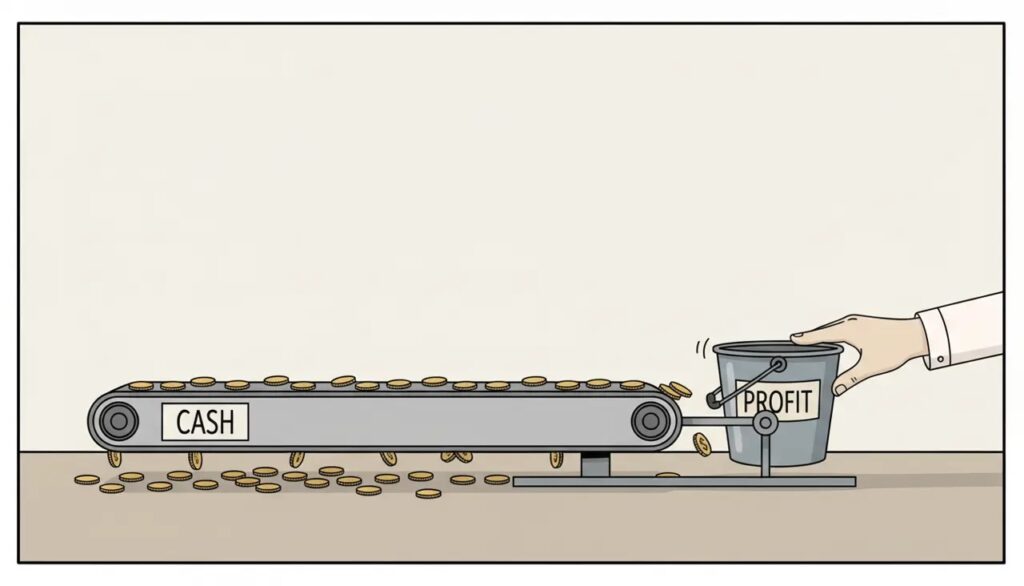
An overspend alert calculator helps explain a frustrating business problem: revenue is increasing, but the bank balance is not improving.
This can happen when operating expenses rise faster than the amount left after the direct costs needed to deliver the work.
The business may appear healthy from the sales figure alone. But once materials, subcontractors, commissions and other direct delivery costs are considered, the amount available to support overhead may be much smaller than expected.
The Hidden Leak Behind Higher Revenue
A business owner was frustrated because sales had improved, but cash still felt tight every month.
The problem was not one dramatic purchase. It was a pattern of operating expenses that had grown gradually as the business became busier.
Individual costs looked manageable:
- One additional software subscription.
- A small increase in marketing.
- Extra administrative help.
- Occasional overtime.
- More delivery and processing charges.
No single item appeared large enough to cause concern. Together, however, they were consuming more of the money available after delivery costs.
Why Budgeting From Total Revenue Can Mislead
Many owners set spending decisions using total sales as the starting point.
That feels logical because sales is the most visible number in the business. But part of those sales may already be required to complete the work.
Depending on the business, direct delivery costs may include:
- Materials and ingredients.
- Subcontractor charges.
- Packaging and fulfilment.
- Payment-platform or sales commissions.
- Direct labour tied to the work.
- Delivery costs associated with each order.
The amount remaining after those delivery requirements provides a more useful base for reviewing operating expenses.
CFOSg refers to this management view as Spendable Revenue.
How An Overspend Alert Calculator Helps
An overspend alert calculator compares operating expenses with the amount the business has available after direct delivery costs.
It can help owners see whether spending is:
- Remaining broadly under control.
- Rising faster than the business can support.
- Leaving too little room for profit.
- Creating cash pressure despite healthy sales.
- Becoming dependent on another strong sales month.
The calculator should not be treated as a universal accounting rule. It is a management warning tool.
The appropriate operating-expense level depends on the business model, pricing, delivery structure, staffing needs and growth stage.
A Simplified Example
Consider a business with the following monthly position:
| Area | Amount | What It Means |
|---|---|---|
| Sales | $100,000 | Total revenue for the month |
| Direct delivery costs | ($40,000) | Materials, subcontractors and fulfilment |
| Amount remaining before overhead | $60,000 | Available to support operating expenses and profit |
| Operating expenses | ($54,000) | Rent, payroll, marketing, software and administration |
| Profit remaining | $6,000 | Amount left before other commitments |
From the sales view, operating expenses appear to be 54% of revenue.
But against the $60,000 remaining after direct delivery costs, those same operating expenses consume 90% of the available amount.
That leaves very little room for supplier changes, slower collections, equipment problems or an unexpectedly weak month.
Why A Small Percentage Can Become A Large Cash Leak
Owners often dismiss overspending because the difference appears to be only a few percentage points.
But a small percentage applied every month can become a significant annual amount.
For example, if avoidable operating expenses are $4,200 higher than the amount management intended each month, that becomes $50,400 over a year.
The business may not notice the full effect immediately because the spending is spread across several accounts and suppliers.
The bank balance simply becomes weaker over time.
Common Causes Of Operating-Expense Creep
Overspending does not always come from reckless behaviour.
It often builds gradually through:
- Software subscriptions that are no longer reviewed.
- Marketing campaigns that continue without clear results.
- Hiring before workload or pricing can support the role.
- Frequent small purchases made without a monthly view.
- Overtime caused by weak processes.
- Refunds, rework and avoidable delivery mistakes.
- Supplier and professional fees that increase quietly.
- Several people approving spending independently.
Each item may be reasonable on its own. The problem is whether the total still fits the business’s current financial position.
Not Every Expense Increase Is Bad
A rising expense is not automatically waste.
The business may need to invest in people, marketing, technology or capacity.
The important questions are:
- What result is the spending expected to produce?
- When should that result appear?
- Can the business afford the cost before the result arrives?
- How will management decide whether to continue or stop?
- What happens if sales do not increase as planned?
A planned investment is different from an expense that continues because nobody has reviewed it.
What To Review When An Alert Appears
An overspend alert does not mean every expense should be cut immediately.
Start by reviewing:
- Which major expense categories increased.
- Whether the increase was temporary or recurring.
- Whether it supported useful revenue or capacity.
- Whether a supplier price or contract changed.
- Whether costs were coded consistently in Xero.
- Whether one department or person is responsible for the movement.
This helps distinguish a necessary investment from an expense that needs to be reduced, renegotiated or stopped.
Three Practical Responses To Overspending
1. Remove Spending That No Longer Produces Value
Review duplicated software, unused services, outdated subscriptions and campaigns that no longer have a clear purpose.
Small recurring items deserve attention because they continue every month unless somebody actively stops them.
2. Improve The Process Creating The Cost
Some expenses are symptoms of operational problems.
Repeated overtime, refunds, rush delivery and rework may point to weak planning rather than a simple cost-control problem.
Fixing the process may be more valuable than negotiating a small reduction in the expense.
3. Improve Pricing Or Revenue Quality
Sometimes the operating structure is reasonable, but the business is not earning enough from its work.
Management may need to review pricing, discounts, customer fit or which services deserve more attention.
The answer is not always to cut. It may be to earn better from the work already being delivered.
Review Spending During Monthly Money Day
Operational transactions should be recorded and reconciled during the month.
The owner can then use a monthly Money Day to review whether spending remains appropriate for the current Cash, Profit and Revenue position.
Useful questions include:
- Which major operating expense increased?
- Was the increase planned?
- Did the spending produce the expected result?
- Is the amount remaining after direct costs becoming smaller?
- Which one expense or process needs action next?
The purpose is not to cut everything. It is to stop spending from growing unnoticed.
What A Useful Overspend Alert Should Do
A useful alert should make the owner investigate a change. It should not pretend to make the decision automatically.
It should help management notice when:
- Operating expenses rise faster than the amount available.
- Profit becomes too dependent on another strong month.
- One cost category changes materially.
- Sales increase without a similar cash or profit improvement.
- The business is using reserves to support normal spending.
The final decision still requires context. But noticing the pressure early gives the business more options.
Check your numbers: Use The CFOSg Calculators
Related: • CPR Compass™ • Profit-Ready by CFOSg™
Reference: Operating expense overview
Is Revenue Growing While Cash Keeps Shrinking?
CFOSg can help review whether your operating expenses, direct costs and Xero reports explain where the money is going.
Book A 15-Minute Call See Xero Services