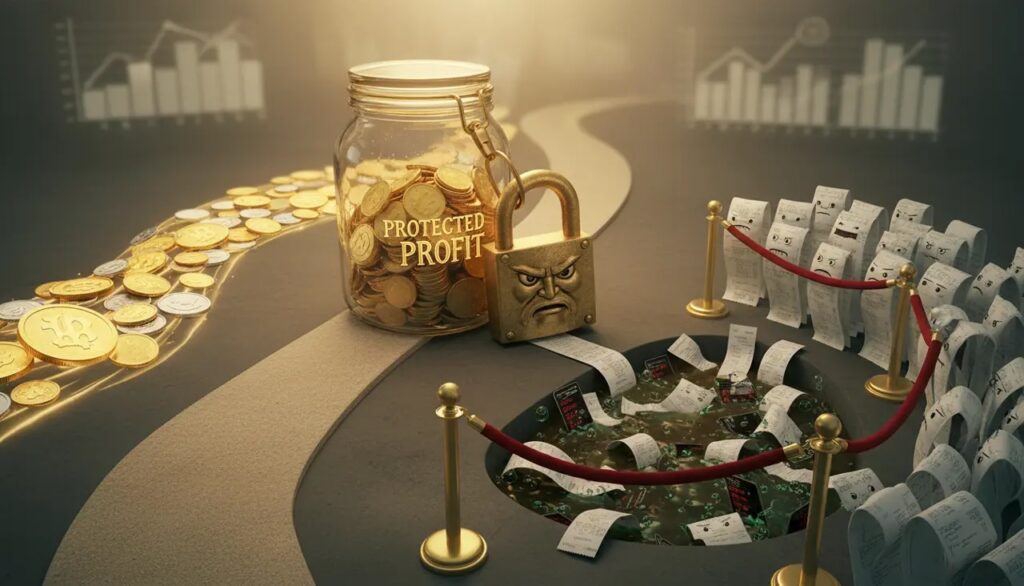
Pipeline Does Not Equal Cash
Pipeline is possibility. Cash is reality.
A full sales pipeline can feel reassuring.
But a promising conversation, quotation or unsigned proposal cannot pay payroll.
Confusing future sales with available money is how businesses overhire, overspend and commit too early.
- You spend based on “next month should be good”.
- You have many promising leads, but the bank balance remains tight.
- You hire or commit to costs before deals are confirmed.
- Your sales report looks healthy, but collections do not.
- Separate leads from confirmed work.
- Separate confirmed work from invoices issued.
- Separate invoices issued from cash collected.
- Base spending decisions on the current cash position and known commitments.
The Four Stages Owners Often Mix Together
1. Pipeline
A potential customer is interested.
There may be a meeting, proposal or quotation.
Nothing is guaranteed.
2. Confirmed Work
The customer has accepted the work or signed an agreement.
This is stronger than pipeline, but payment may still be weeks or months away.
3. Invoiced Revenue
The invoice has been issued.
The business may record revenue, but the customer has not necessarily paid.
4. Collected Cash
The money has reached the bank.
Only now is it available to meet actual obligations—subject to what the business already needs to pay.
Why Pipeline Creates False Confidence
Pipeline feels valuable because it represents possible future revenue.
That makes it useful for:
- Sales planning.
- Capacity planning.
- Setting follow-up priorities.
- Understanding future demand.
But pipeline becomes dangerous when it is used to justify:
- Hiring too early.
- Signing a new lease.
- Buying stock before demand is confirmed.
- Increasing owner withdrawals.
- Approving optional spending.
- Ignoring current collection problems.
A Large Pipeline Can Still Be Weak
The total pipeline number does not tell you enough.
Its quality depends on:
- How serious the customer is.
- Whether budget has been approved.
- Whether the decision-maker is involved.
- How long deals usually take to close.
- How often similar opportunities convert.
- When invoicing can begin.
- How long customers usually take to pay.
A S$500,000 pipeline may sound impressive.
But it means much less when most opportunities are early, unqualified or waiting for a decision nobody has scheduled.
Pipeline value without stage, probability and timing is often just optimism in spreadsheet form.
Why Revenue Still Does Not Equal Cash
Even after a sale is confirmed, cash may arrive later.
Timing gaps may come from:
- Work being completed before invoicing.
- Long payment terms.
- Late-paying customers.
- Customer approval processes.
- Retention amounts.
- Project milestones.
- Disputed invoices.
Meanwhile, the business may already be paying staff, suppliers and delivery costs.
This is how growing sales can make cash feel worse before it feels better.
Improve Cash Timing Without Pretending Pipeline Is Cash
Depending on the business and customer relationship, useful options may include:
- Deposits before work begins.
- Progress or milestone billing.
- Prompt invoicing.
- Clear payment terms.
- Earlier follow-up on overdue accounts.
- Smaller delivery stages.
- Separating additional work from the original scope.
These changes do not guarantee payment.
They can reduce the amount of work the business funds before receiving cash.
Do Not Treat All Pipeline The Same
A useful pipeline view should distinguish between opportunities.
For example:
- Early discussion.
- Qualified opportunity.
- Proposal submitted.
- Verbal acceptance.
- Signed or formally confirmed.
The exact stages depend on how your business sells.
The important point is that an early conversation should not carry the same weight as signed work.
Otherwise one enthusiastic prospect can make the whole forecast look rich.
Questions Before Committing To Growth Costs
Before hiring, buying stock or committing to another large expense, ask:
- How much of the opportunity is genuinely confirmed?
- When can the business invoice?
- When is cash realistically expected?
- What must the business pay before collecting?
- What happens if the deal closes later?
- What happens if the deal does not close?
- Can the cost be staged rather than committed all at once?
This is not being negative.
It is refusing to let a sales forecast sign contracts on behalf of the bank account.
Review Pipeline With Cash, Profit And Revenue
Pipeline belongs mainly to the revenue view.
But it still needs to connect with Cash and Profit.
Cash
When is money realistically expected, and what must be paid first?
Profit
Will the work leave enough after delivery costs and additional capacity?
Revenue
Is this the kind of customer or work the business wants more of?
CFOSg connects these views through the CPR Compass™.
A large opportunity may be exciting.
It still needs to make sense across all three.
What To Review During Monthly Money Day
Sales activity and urgent follow-ups continue during the month.
During monthly Money Day, step back and ask:
- Which major opportunities moved forward?
- Which opportunities have stalled?
- Which confirmed jobs have not been invoiced?
- Which issued invoices remain unpaid?
- Did expected cash arrive?
- Are new commitments being made ahead of collections?
- What needs attention next?
The purpose is not to reduce sales ambition.
It is to stop ambition from writing cheques cash cannot support.
Common Mistakes
- Treating every lead as equally likely to close.
- Using the total proposal value as expected cash.
- Ignoring when invoicing can begin.
- Assuming customers will pay exactly on the due date.
- Hiring based on one large unsigned opportunity.
- Confusing revenue booked with cash collected.
- Ignoring the delivery cost needed before payment.
- Spending next month’s hoped-for revenue today.
Frequently Asked Questions
Is pipeline useless?
No. Pipeline is valuable for sales and capacity planning. It becomes dangerous only when the business treats possible future sales as money already available.
Should I ignore pipeline when planning?
No. Use it as one planning input, with realistic assumptions about conversion, timing, invoicing and collection.
What is the fastest way to improve cash timing?
That depends on the business. Deposits, milestone billing, quicker invoicing and better collection follow-up are common areas to examine.
Can I invest before the cash arrives?
Sometimes an investment must happen before revenue can be delivered. Review the current cash position, downside risk, commitments and timing rather than assuming the pipeline will arrive as planned.
What if the customer has verbally agreed?
Verbal agreement is stronger than an early lead but weaker than formal confirmation. Clarify scope, price, start date, invoicing terms and payment timing before making major commitments.
Why is cash tight when sales are growing?
The business may be funding staff, stock, materials or delivery before customers pay. Growth can increase working-capital pressure even when the work is profitable.
The Takeaway
Pipeline is not fake.
It is simply unfinished.
Between a promising lead and usable cash sit several steps:
- Qualification.
- Acceptance.
- Delivery.
- Invoicing.
- Collection.
Plan with the pipeline.
Commit carefully.
Spend based on the financial position the business actually has—not the month everybody hopes is coming.
Next Step
If sales activity looks healthy but cash remains tight, the problem may be sitting between opportunity, invoicing and collection.
Book A 15-Minute Call See Xero Services