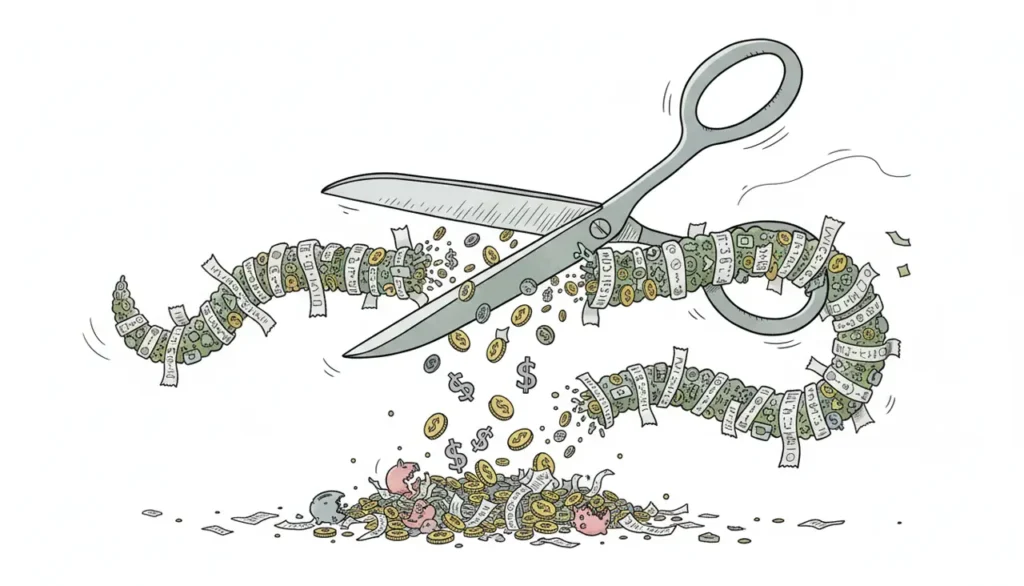
Low Margin Work: How To Stop Chasing It Without Panicking
Low margin work feels safe because it brings in revenue.
It fills the calendar.
It keeps the team busy.
It also leaves very little behind.
- You keep accepting work because you fear a slow month.
- The team is busy, but profit remains disappointing.
- Some customers consume far more time than expected.
- You want to improve the work mix without making reckless changes.
- Which work leaves enough after delivery costs.
- Which customers create repeated extra work.
- Where discounts or weak scope reduce margin.
- Which offers deserve more capacity and attention.
Why Low Margin Work Feels Safer Than It Is
Low margin work rarely looks dangerous at first.
It looks like:
- Sales.
- Invoices.
- A full schedule.
- A busy team.
That is why owners protect it for too long.
The problem is that weak work can use the same:
- People.
- Delivery slots.
- Management attention.
- Customer support.
- Administrative time.
But it leaves less behind than stronger work.
Low Margin Work Is Not Always A Pricing Problem
The selling price may be too low.
But that is only one possibility.
Margin may also weaken because of:
- Unclear scope.
- Too many revisions.
- Rush delivery.
- Senior staff doing junior work.
- Poor handovers.
- Supplier increases.
- Discounts.
- Underestimated time.
Raising the price may help.
But raising the price without fixing delivery chaos may only make an expensive problem look premium.
The Hidden Cost Of Keeping The Calendar Full
Low margin work does more than reduce profit.
It can block better opportunities.
When capacity is already full:
- Better customers wait longer.
- Staff become overloaded.
- Quality drops.
- Rush work increases.
- The owner has no room to improve the business.
The real cost is not only what the job earns.
It is what the business could have done with that same capacity.
How To Improve The Work Mix Without A Panic Move
You do not need to remove every weak customer tomorrow.
That may create a new cash problem while trying to fix a profit problem.
A steadier approach is to examine new and existing work more carefully.
Tighten Scope
Clarify what is included, what is not included and what happens when the customer asks for more.
Improve Terms
Deposits, milestone billing or shorter payment terms may improve the cash burden of delivery.
Change The Offer
A smaller package, longer turnaround or simpler service may make the work more viable.
Review Pricing
Where the work genuinely requires more effort or value, the price may need to change.
Promote Better Work
Do not spend all your marketing energy attracting more of the work you are trying to escape.
Use A Conditional Yes
Many owners think the only choices are:
Say yes and suffer.
Or:
Say no and lose the sale.
There is often a third option:
- Yes, with a clearer scope.
- Yes, with a longer timeline.
- Yes, with different payment terms.
- Yes, with a revised package.
- Yes, with additional work charged separately.
- Yes, at a price that reflects the effort.
This protects the relationship without pretending every request fits the original quote.
Which Work Should You Want More Of?
Good work is not always the highest-priced work.
Look for work that:
- Leaves a sensible margin.
- Fits your team and process.
- Has clear scope.
- Pays on reasonable terms.
- Creates manageable delivery.
- Has useful repeat potential.
- Does not require constant rescue work.
Good revenue is often boring in the best way.
It is easier to deliver, easier to collect and easier to repeat.
What To Review During Monthly Money Day
Operational issues should still be handled when they occur.
During monthly Money Day, step back and review:
- Which services, products or customer groups affected margin.
- Where delivery took longer than expected.
- Whether discounts increased.
- Whether additional work was billed.
- Which customers paid slowly.
- Which work created repeat problems.
- What type of revenue the business should pursue next.
The goal is not to judge every customer after one difficult month.
The goal is to identify patterns before weak work becomes the business model.
Review Low Margin Work Across Cash, Profit And Revenue
Cash
Does the work require the business to fund staff, materials or delivery long before payment arrives?
Profit
Does enough remain after the real cost of delivery?
Revenue
Is this work repeatable, suitable and worth growing?
CFOSg connects these views through the CPR Compass™.
A job may bring revenue and still create pressure in Cash and Profit.
That is why total sales alone do not tell you whether the work is good.
Common Mistakes
- Keeping weak work only because it brings revenue quickly.
- Assuming a full calendar means healthy demand.
- Reviewing the selling price but ignoring delivery effort.
- Allowing additional work without changing scope or price.
- Removing too much work before replacing the cashflow.
- Promoting the same weak offer more aggressively.
- Judging every customer only by total revenue.
- Waiting until the team is completely overloaded.
Frequently Asked Questions
What if low margin work is most of my revenue?
Do not remove it all at once without understanding the cash impact. Improve scope, delivery, terms and pricing while building demand for stronger work.
Should I raise prices immediately?
Not automatically. First understand whether the problem comes from price, discounting, scope, delivery cost, rework or customer mix.
How do I say no without losing the customer?
Consider a conditional yes with revised scope, timing, terms, package or pricing. This may protect margin while preserving the relationship.
What if the customer says my price is too high?
That does not automatically mean the price is wrong. The customer may need a smaller scope, different package or another provider better suited to their budget.
How do I identify low margin work?
Look at selling price together with direct costs, delivery time, rework, discounts, extra support and the amount of capacity the job consumes.
Can low margin work ever be worth keeping?
Yes, in some cases it may support capacity, customer acquisition or a wider relationship. The reason should be intentional and periodically reviewed.
The Takeaway
Low margin work feels safe because it keeps revenue moving.
But it can quietly:
- Consume capacity.
- Weaken pricing confidence.
- Create cash pressure.
- Block stronger opportunities.
- Keep profit flat.
You do not need to panic and remove everything.
You need to understand what the work really costs, improve the terms and gradually create room for better revenue.
Next Step
If the team is busy but profit stays flat, the problem may be your revenue mix—not your effort.
Book A 15-Minute Call See Xero Services