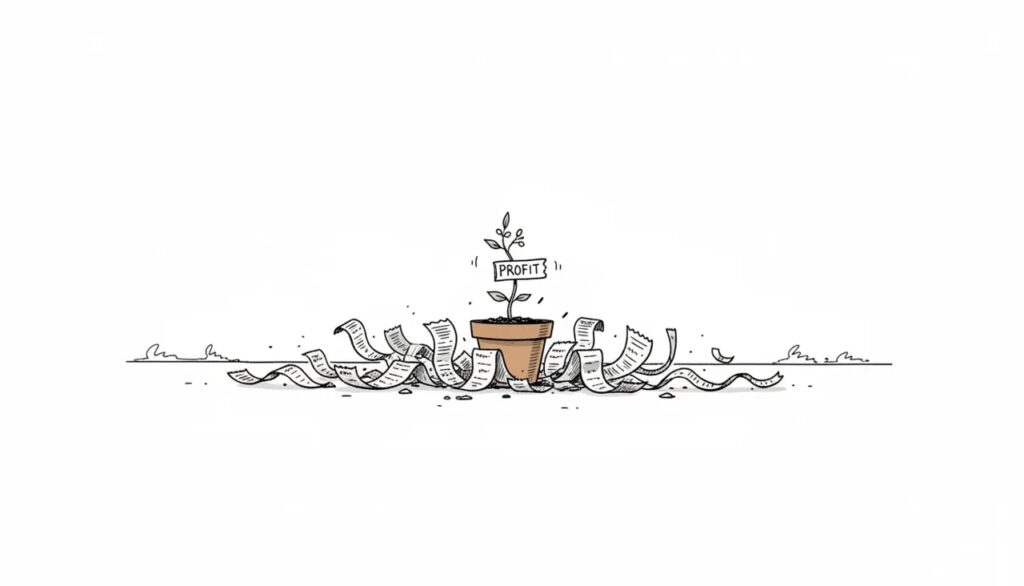
Margin Leaks: How To Spot Them Before They Become Normal
Margin leaks are rarely one dramatic expense.
They are usually small choices repeated until the business forgets they were choices.
A discount here.
An extra revision there.
A supplier increase nobody noticed.
Then one day revenue looks healthy and profit looks offended.
- Revenue looks stable, but profit keeps weakening.
- Every job feels slightly harder to deliver.
- Costs creep up without one obvious cause.
- You only notice margin problems after several months.
- Changes in pricing and discounts.
- Rising delivery time and rework.
- Supplier and operating cost increases.
- Offers or customers using too much capacity.
What A Margin Leak Actually Is
A margin leak is anything that reduces what remains from revenue after the work is delivered.
The leak may come from:
- A lower selling price.
- A higher delivery cost.
- More time spent on the same work.
- Extra work that was not billed.
- Supplier increases.
- Waste, damage or rework.
- Discounts and credits.
The sale may still look successful.
The invoice may still be paid.
But less remains for the business.
Where Margin Leaks Usually Hide
Discounting
Discounts may appear small.
But they reduce the amount left from the sale immediately.
If delivery costs stay the same, the lost profit can be much larger than the discount looks.
Scope Creep
The customer buys one service.
The team quietly provides several extras.
Nobody updates the price because each request feels small.
Rework
Mistakes, unclear instructions and poor handovers cause the team to repeat work.
The customer may never see the extra effort.
Profit does.
Supplier Cost Increases
Materials, freight, software and services become more expensive.
The selling price stays politely unchanged.
Delivery Time Creep
The job that used to take four hours now takes six.
The invoice stays exactly the same.
Why Total Revenue Hides Margin Problems
Total revenue combines good work and weak work into one number.
A strong sales month may include:
- More low-margin work.
- Heavy discounting.
- Rush jobs.
- Custom requests.
- Higher supplier costs.
- More overtime.
The total sales figure may still rise.
That does not mean the business became more profitable.
Common Signs A Margin Leak Is Growing
- Revenue rises while profit remains flat.
- The team works longer hours for similar sales.
- Supplier bills keep increasing.
- Discounts become easier to approve.
- Customers request more changes.
- Overtime and rework become normal.
- The business needs more sales just to feel comfortable.
- Busy months create more cash pressure.
One sign may have an innocent explanation.
Several signs together deserve attention.
Do Not Blame Overhead For Everything
When profit weakens, owners often look at general expenses first.
Subscriptions are visible.
Office costs are visible.
Delivery leaks may be much harder to see.
These can include:
- Unbilled customer requests.
- Senior staff rescuing ordinary work.
- Wasted materials.
- Jobs taking longer than quoted.
- Poor scheduling.
- Refunds and credits.
Cutting office supplies will not repair a service that is consistently underquoted.
How To Investigate A Margin Leak
Start with the change.
Ask:
- Which margin or cost moved?
- When did the change begin?
- Did price, volume or sales mix change?
- Did supplier costs rise?
- Did delivery time increase?
- Were more discounts approved?
- Was there unusual rework, wastage or overtime?
- Did one customer or offer drive the movement?
The accounting report may show where the movement appeared.
The operational cause may sit somewhere else.
What To Do After You Find The Leak
The fix depends on the cause.
Possible responses include:
- Reviewing pricing.
- Reducing uncontrolled discounts.
- Clarifying scope.
- Charging for additional work.
- Improving handovers.
- Reducing rework.
- Renegotiating supplier terms.
- Changing the offer or customer mix.
- Improving the delivery process.
Do not apply every fix at once.
Choose the response connected to the cause.
Review Margin During Monthly Money Day
Pricing, delivery and supplier issues should still be handled during the month.
During monthly Money Day, step back and review:
- Did margin improve or weaken?
- Which costs changed?
- Did discounts increase?
- Did jobs take longer to deliver?
- Was there unusual rework or overtime?
- Which customers, products or services affected the result?
- Did the previous action improve anything?
- What needs attention next?
The aim is not to explain every small movement.
The aim is to stop repeated leaks from becoming the new normal.
Connect Margin With Cash And Revenue
Cash
Is weak margin contributing to cash pressure, or is cash mainly affected by timing and collections?
Profit
Where is the business losing what should remain from the sale?
Revenue
Are the business and team selling work that is worth growing?
CFOSg connects these views through the CPR Compass™.
A margin problem can look like a sales problem.
A cash problem can hide a margin problem.
That is why the three views need to be considered together.
Common Mistakes
- Looking only at total revenue.
- Blaming overhead without checking delivery cost.
- Ignoring staff time and rework.
- Treating discounts as harmless.
- Leaving supplier increases unreviewed.
- Using inconsistent account categories.
- Changing prices without understanding the cause.
- Waiting until year-end to investigate.
Frequently Asked Questions
Are margin leaks usually one large expense?
Not always. They often come from several smaller issues such as discounts, rework, supplier increases and extra delivery time.
What are common margin leak categories?
Common areas include weak pricing, discounts, scope creep, delivery time, rework, wastage, supplier costs and recurring operating expenses.
Do I need perfect categorisation?
No accounting system is perfect, but the important categories should be consistent and reliable enough to show meaningful changes.
How often should margin be reviewed?
Operational issues should be handled when they arise. A monthly owner review is suitable for many SMEs, although fast-moving businesses may need additional checks.
Should I raise prices when margin falls?
Not automatically. First understand whether the cause is price, discounting, scope, delivery effort, supplier cost, rework or sales mix.
Can Xero help identify margin leaks?
Xero may help show changes in revenue, direct costs and expenses when the setup and records are suitable. Operational information may still be needed to explain time, wastage, rework and scope creep.
The Takeaway
Margin leaks are not always obvious.
They often hide inside:
- Small discounts.
- Extra work.
- Longer delivery.
- Rising costs.
- Rework.
- Weak sales mix.
The goal is not to inspect every transaction with a magnifying glass.
The goal is to notice meaningful changes, understand the cause and stop the leak from repeating.
Next Step
If revenue looks healthy but profit keeps weakening, the leak may be hiding inside pricing, delivery, costs or sales mix.
Book A 15-Minute Call See Xero Services