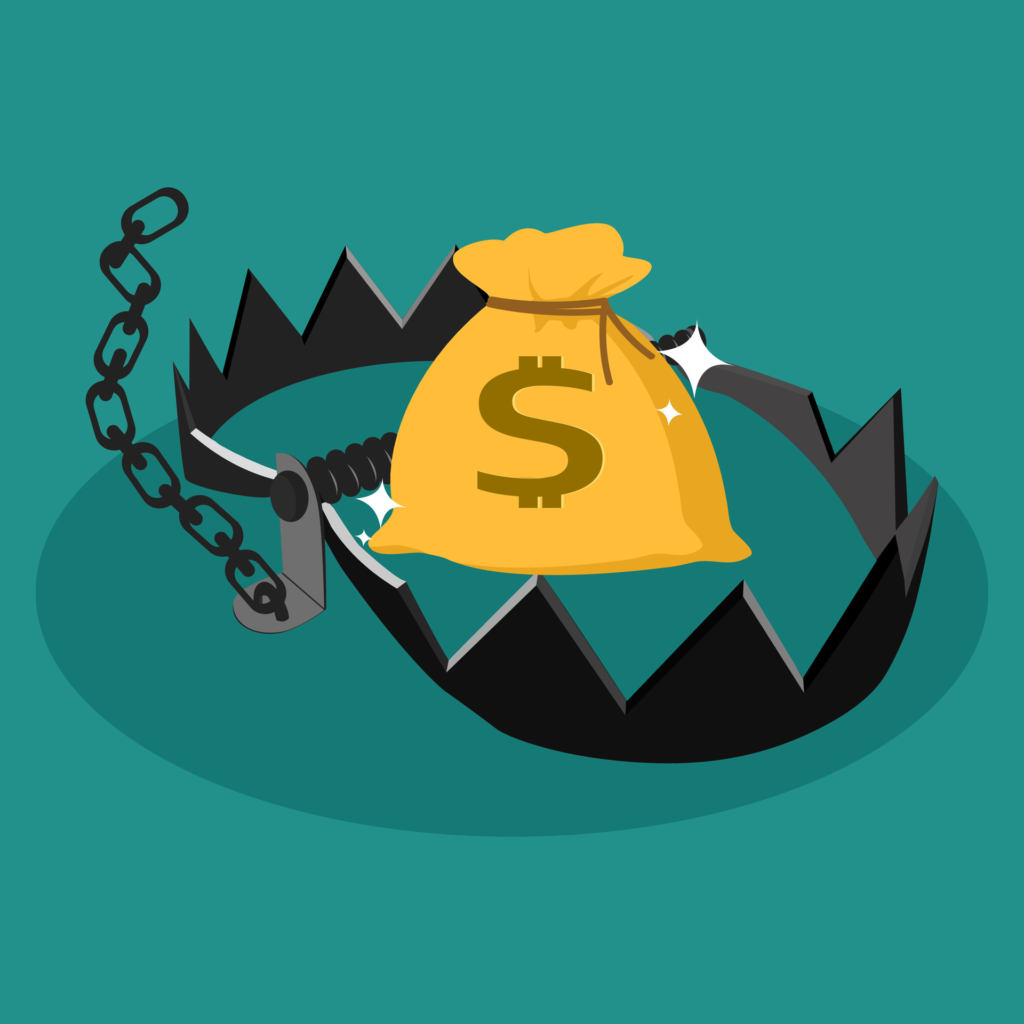
Revenue-first sounds smart. More sales solves everything, right?
That idea is so common it feels like common sense.
It is also one of the fastest ways to create hidden damage when cash and profit discipline are weak.
Revenue first = growth mindset.
Reality:
Revenue first often becomes panic mindset wearing a growth hat.
To be clear: revenue matters.
This is not anti-sales. It is anti-guessing.
If you push revenue first when the real issue is cash control or profit leakage, you can make the business look bigger while making the owner feel poorer.
Side effect #1: You train your business to depend on discounts
Under pressure, discounts feel like oxygen.
Sales rise, the team celebrates, and the owner gets temporary relief.
Then customers learn the game.
They wait for promotions, ask for price cuts, and compare you on discounts instead of value.
You did not just boost revenue.
You weakened pricing power.
Side effect #2: Cash strain gets worse even when sales rise
More sales can mean:
- more delivery cost
- more stock or materials
- more payroll pressure
- longer collection cycles
So the owner says:
“We had a strong month, but cash is still crazy.”
That is not a contradiction. It is a cashflow timing problem wearing a revenue costume.
Side effect #3: Margin quality gets ignored
Revenue-first teams often celebrate volume, not quality.
They ask “How much did we sell?” but not “What did we keep?”
This leads to:
- low-margin jobs filling capacity
- bad-fit clients that consume the team
- high effort for weak profit
That is how businesses become busy, impressive, and exhausted at the same time.
Side effect #4: The wrong clients start shaping the business
When revenue is the only scoreboard, you start saying yes too often.
Urgent jobs. Low-margin work. High-maintenance clients. Poor payment habits.
Then six months later the owner says:
“Why does every client feel difficult now?”
Because the business was optimised for revenue intake, not quality or fit.
Side effect #5: Operating costs grow with revenue
This one is sneaky.
Revenue rises. Confidence rises. Spending rises.
New tools. New hires. New commitments. More “we need this to grow.”
Now the business needs a higher sales floor just to feel normal.
One soft month feels like a crisis.
Some businesses are not under-earning.
They are over-committing.
Side effect #6: Owners stop finding the real bottleneck
Revenue-first thinking can hide the real issue.
If every problem gets the same answer — sell more — you never learn whether the issue was:
- cash timing
- collections discipline
- profit leakage
- pricing weakness
- an actual demand gap
What you do not identify, you cannot fix properly.
What to do instead
Before chasing more sales, check whether the real pressure comes from cash timing, weak margins or an actual revenue gap.
Fix the most urgent issue first, then grow from a stronger base.
This does not make you slower.
It makes growth less expensive and easier to sustain.
A better question
Instead of “How do I get more sales this week?” ask:
“What is the real bottleneck — Cash, Profit or Revenue — and what needs attention first?”
That one question can save you months of reactive effort.
Not sure what needs attention first?
Use the CPR Compass to check whether Cash, Profit or Revenue is creating the biggest pressure.
Check my CPR gapRevenue-first can look like momentum while quietly creating fragility.
Growth is good. Bad growth is expensive.
Questions owners usually ask after reading this
Is “revenue first” always wrong?
No. Revenue matters. The problem is when “sell more” becomes the automatic answer to every money problem. If cash timing, profit leaks or delivery capacity are weak, more revenue can make the business busier while becoming more fragile.
What side effects show up when owners chase revenue first?
Common side effects include discounting, lower margins, faster cash burn, stressed teams, poor client fit and a business that needs constant volume just to stay comfortable.
What should I check before pushing for more revenue?
Check what is creating the pressure. It may be cash timing, overdue collections, weak margins, rising operating costs or a genuine sales gap. The right next move depends on the real bottleneck.
Does this mean I should stop marketing?
No. It means your marketing and sales should support good margins, healthy collections and realistic delivery capacity. Good sales on weak economics can still hurt.
What is a better question than “How do I get more sales?”
Ask: “What is the real bottleneck right now — Cash, Profit or Revenue?” That question usually leads to a more useful next step than defaulting immediately to more sales.
Related reads
- Cash Problem vs Profit Problem vs Revenue Problem Use this to identify the real issue before pushing for more sales.
- Why More Sales Does Not Fix a Profit Leak See why extra sales can make an existing profit problem harder to spot.
- CPR Compass Check whether Cash, Profit or Revenue needs your attention first.
- Book a Profit-Ready Xero demo See how Xero can support clearer business decisions.