Xero For F&B Singapore: Find Margin Leaks Before Month-End
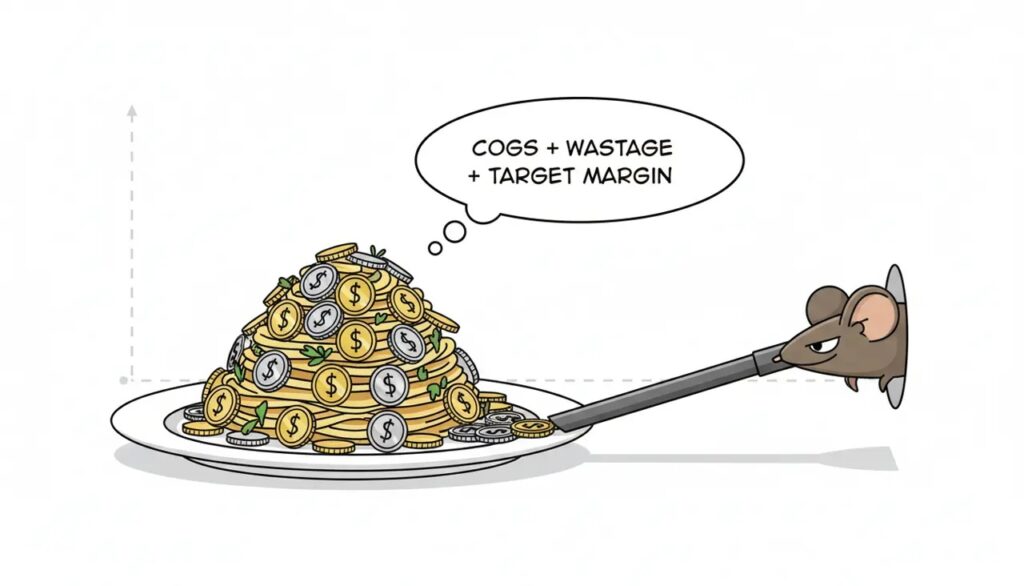
Xero for F&B Singapore should help an owner understand why busy outlets, strong sales and full tables do not always produce stronger profit.
F&B profit rarely disappears because of one dramatic mistake.
It is usually weakened by several smaller movements happening at the same time: ingredient costs rise, wastage grows, labour hours drift, delivery fees increase and promotions reduce the amount retained from each sale.
Why F&B Margins Are Difficult To See
An outlet can look busy while the financial result weakens quietly.
Common reasons include:
- Supplier prices change without menu prices being reviewed.
- Portion sizes vary between staff or shifts.
- Wastage, spoilage and complimentary items are not recorded consistently.
- More sales move through delivery platforms with additional fees.
- Promotions increase volume without improving contribution.
- Labour schedules do not adjust when traffic is lower.
- Payment fees and commissions are spread across broad expense accounts.
If these movements are hidden inside general sales and expense headings, the owner may not see the pressure until the month is over.
What To Set Up In Xero For F&B Singapore
1. Revenue Streams That Match The Business
One general sales account may be enough for a very simple outlet.
A business using several channels may benefit from separating important revenue streams such as:
- Dine-in sales.
- Takeaway sales.
- Delivery-platform sales.
- Catering or events.
- Corporate or wholesale orders.
The purpose is to understand meaningful differences between channels, not to create a separate account for every menu item.
2. Direct Food And Delivery Costs
Costs directly connected to producing and delivering sales should be distinguishable from general operating expenses.
Depending on the business, useful groupings may include:
- Food ingredients.
- Beverage ingredients.
- Packaging.
- Delivery-platform commissions.
- Direct kitchen consumables.
- Other direct fulfilment costs.
The right structure depends on what management will actually review and act on.
3. Operating Expenses That Remain Readable
Overhead should be grouped clearly enough for the owner to see where recurring spending is changing.
Common areas include:
- Manpower.
- Rent and premises.
- Utilities.
- Marketing.
- Software and subscriptions.
- Repairs and maintenance.
- Professional and administrative costs.
Too many similar accounts create confusion. Too few accounts hide movements that matter.
4. Outlet Tracking Only When It Can Be Maintained
Businesses with several outlets may want to compare sales, costs and profit by location.
Tracking can help, but only when transactions are tagged consistently.
Before setting it up, decide:
- Which outlets require separate reporting.
- Who adds the outlet reference.
- How shared costs will be handled.
- How missing tracking will be reviewed.
- Whether the team can maintain the process every month.
Seven Common F&B Margin Leaks
1. Ingredient Cost Creep
Supplier prices rise, but recipes, menu prices or purchasing decisions remain unchanged.
2. Wastage And Spoilage
Over-ordering, poor storage, preparation mistakes and unsold items reduce the value recovered from purchases.
3. Portion Inconsistency
Small differences in portion size can affect the cost of a high-volume item across many orders.
4. Promotion And Discount Leakage
Sales increase, but the amount retained after discounts and delivery costs may weaken.
5. Delivery-Platform Costs
Commission, advertising, rebates and campaign costs may make a channel less profitable than its sales total suggests.
6. Labour Scheduling Drift
Staffing hours remain high during quieter periods or rise without a matching improvement in sales.
7. Payment And Operating Fees
Merchant charges, platform costs and subscriptions accumulate across several providers and accounts.
Sales Mix Matters As Much As Total Sales
Two months can show similar total revenue but produce different profit.
For example, one month may contain more dine-in sales, while another contains more discounted delivery orders.
The second month may have:
- Higher platform commission.
- More packaging cost.
- More promotional discounts.
- Different payment fees.
- Lower average contribution per order.
This is why total sales alone cannot explain outlet performance.
The owner needs to understand what remains after the costs required to deliver those sales.
CFOSg refers to this management view as Spendable Revenue.
Food Cost Requires More Than A Xero Report
Xero can record purchases and financial movements, but it cannot automatically explain every operational cause of food-cost changes.
The business may also need information from:
- The point-of-sale system.
- Inventory or purchasing records.
- Recipe costing.
- Wastage logs.
- Supplier price lists.
- Outlet or kitchen procedures.
The financial records and operational records should support each other.
For example, higher ingredient purchases in Xero may need to be compared with sales volume, stock held and wastage before management concludes that food margin has weakened.
How To Review Labour More Usefully
Labour should not be reviewed only as a total monthly expense.
Management may also consider:
- Sales movement by outlet or daypart.
- Scheduled hours compared with actual demand.
- Overtime.
- Temporary or part-time staffing.
- Changes in opening hours.
- Whether new staffing produced the intended operational result.
The aim is not to reduce labour mechanically.
Understaffing can damage service, quality and customer experience. The useful question is whether staffing levels match the sales and operating needs of the outlet.
How To Review Promotions And Delivery Sales
A promotion should not be judged only by the number of orders generated.
Review:
- The discount funded by the outlet.
- Platform commission and campaign charges.
- Packaging and fulfilment costs.
- The average order value.
- Whether the promotion attracted repeat customers.
- Whether the outlet had sufficient capacity to fulfil the demand efficiently.
A promotion may be worthwhile even when the immediate margin is lower, but that should be a deliberate decision rather than an accidental result.
Operational Checks Versus Monthly Money Day
Some F&B checks need to happen during the month because they are operational.
This may include:
- Reviewing supplier-price changes.
- Monitoring wastage and stock issues.
- Adjusting staff rosters.
- Checking delivery-platform campaigns.
- Investigating unusual voids, refunds or discounts.
- Keeping invoices, bills and bank transactions current.
The owner can then use monthly Money Day to review the wider financial result.
Monthly Money Day Questions For F&B Owners
- Did sales improve or weaken?
- Did the mix between dine-in, takeaway and delivery change?
- Did direct food and packaging costs move in line with sales?
- Did labour increase without a matching sales improvement?
- Did promotions or platform fees weaken the result?
- Which outlet or channel needs attention?
- What is the one issue management should act on next?
Monthly Money Day is not a substitute for daily outlet management.
It is the owner’s time to connect operational patterns with Cash, Profit and Revenue.
What To Do When A Margin Leak Appears
Do not react by cutting every cost immediately.
First identify the likely cause and the decision involved.
Ingredient Costs Increased
Review supplier changes, purchasing quantities, recipe cost and menu pricing before deciding what to adjust.
Wastage Increased
Review ordering, storage, preparation, portioning and unsold items rather than treating the issue as an accounting variance only.
Promotions Weakened Margin
Review the customer acquired, contribution per order and whether the promotion should be changed, limited or stopped.
Labour Increased
Compare staffing patterns with traffic and operating needs before changing the roster.
Delivery Costs Increased
Review channel mix, platform charges, packaging and menu pricing for delivery orders.
One Outlet Underperformed
Check whether the difference comes from sales mix, rent, labour, food cost, wastage or incomplete outlet coding.
How Xero Can Support An F&B Business
When maintained consistently, Xero can help organise:
- Sales by meaningful revenue stream.
- Supplier bills and ingredient purchases.
- Delivery-platform and payment fees.
- Payroll and operating expenses.
- Bank feeds and reconciliation.
- Outlet tracking where suitable.
- Profit and loss and balance-sheet reporting.
However, Xero is not a complete point-of-sale, recipe-costing, rostering or inventory-management system.
The business may still need other systems for:
- Detailed item sales.
- Stock counts.
- Recipes and theoretical food cost.
- Wastage.
- Staff scheduling.
- Outlet operations.
The aim is to connect those operational systems with a reliable financial record rather than creating several conflicting versions of performance.
Common Questions About Xero For F&B Singapore
Do I need a complicated chart of accounts?
Should I track every outlet separately?
Can Xero calculate my exact food cost?
How quickly can I identify margin leaks?
Should F&B owners review numbers weekly or monthly?
Why are sales growing while profit is flat?
The Xero For F&B Singapore Takeaway
A useful F&B accounting setup should connect:
- Sales channels.
- Food and beverage costs.
- Packaging and delivery fees.
- Labour.
- Promotions and discounts.
- Outlet performance.
- Actual cash and profit.
The goal is not to record every detail inside Xero.
It is to structure the financial records so the owner can see which operational issue is affecting the result.
Related: Cash Flow Management Singapore • Xero Setup Singapore • Xero Reports But No Cash • Profit-Ready by CFOSg™
Are Strong Sales Still Producing Weak Profit?
CFOSg can help structure your Xero records around sales channels, food costs, labour, delivery fees and monthly owner reporting.
Book A 15-Minute Call See Xero Services