Sales Growth Cash Flow Problems: Why More Revenue Can Still Feel Tight
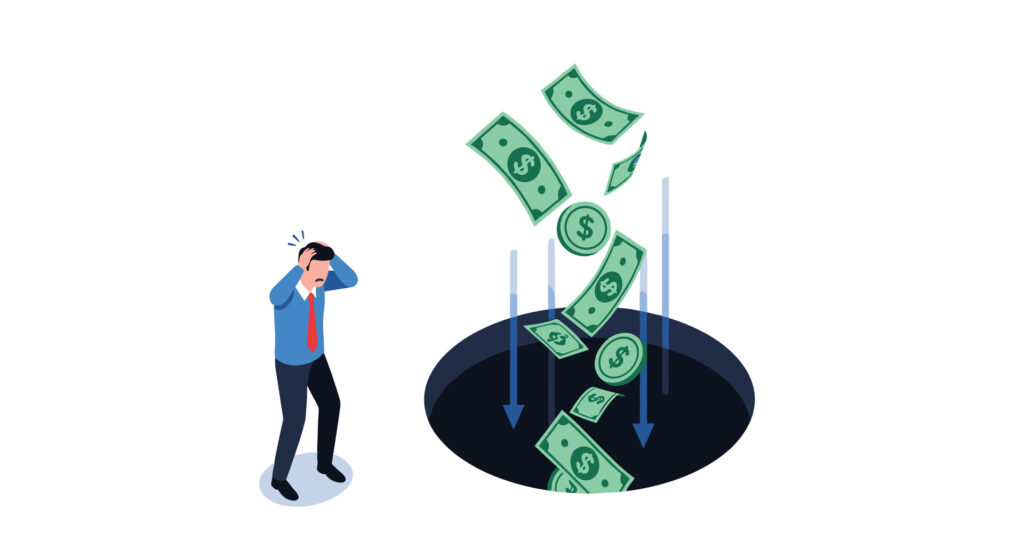
Sales growth should make the business feel stronger. But revenue can rise while cash becomes more difficult to manage.
This happens because revenue and cash do not move at the same time. The business may need to pay staff, suppliers, stock and delivery costs before customer payments arrive.
Growth without enough control can therefore create more pressure instead of more stability.
Why Sales Growth Can Hurt Cash Flow
Revenue may be recognised before the money reaches the bank.
At the same time, the business may need to fund payroll, materials, commissions, stock, subcontractors and other delivery costs.
The larger the timing gap, the more cash the business must use to support growth.
Seven Reasons Growth Can Create Cash Pressure
1. Customers Pay Too Slowly
If the business delivers now and collects later, more sales can increase the amount of cash tied up in unpaid invoices.
2. Margins Are Weaker Than Expected
Higher sales may look positive until labour, materials, discounts and delivery costs are taken into account.
3. Stock Or Upfront Costs Increase
Some businesses must purchase stock, materials or capacity before the related customer payment arrives.
4. Payroll Rises Before Productivity Improves
Growth may require more staff, overtime or management time before the additional work becomes efficient.
5. Discounts Are Used To Win Volume
Revenue can increase while the business keeps less from each sale.
6. Future Commitments Increase
Growing sales can create larger tax, GST, payroll and supplier obligations that become due later.
7. The Bank Balance Is Treated As Available Cash
A healthy-looking balance may already be needed for upcoming commitments. Spending from the full balance can create avoidable pressure later.
Signs Growth Is Not Improving Cash
- Sales are rising but the bank balance remains tight.
- The team is busier but profit is not improving.
- More spending is needed before customers pay.
- Every month depends on one more large collection.
- Growth feels heavier instead of more stable.
When activity increases but financial stability does not, the business may be growing faster than its cash can support.
Finance And Growth Need To Work Together
Growth strategy helps the business attract suitable customers and improve demand.
Finance helps determine whether the business can deliver that growth profitably and support the related cash commitments.
Without that connection, the business may end up with:
- More sales but slower collections.
- More customers but weaker margins.
- More demand but greater delivery pressure.
- More revenue but less cash certainty.
The better question is not only, “How do we grow sales?”
It is, “What type of growth can the business support safely?”
How To Stop Growth From Hurting Cash Flow
Start by reviewing whether growth is improving the overall financial position of the business.
Consider:
- How quickly customers are paying.
- Whether pricing covers the work required.
- Which services or customers create the healthiest results.
- Whether upcoming spending can be supported by available cash.
- Whether the team has enough capacity to deliver properly.
A monthly Money Day helps bring these issues together before the next major spending or growth decision is made.
The CPR Compass™ helps identify whether Cash, Profit or Revenue needs attention first.
The Smarter Growth Question
Do not judge growth only by revenue.
Review whether the business is also improving:
- Customer payment timing.
- Profitability.
- Delivery capacity.
- Cash stability.
- The quality of customers and work accepted.
Growth that improves these areas is more useful than growth that only makes the business busier.
Which Area Should Lead First?
- If sales are healthy but cash remains tight, financial control may need attention first.
- If cash and profitability are stable but demand is weak, growth support may need attention first.
- If rising sales are exposing weak pricing, customer fit or delivery capacity, both areas may need to be reviewed together.
The right order depends on the real source of pressure.
When A Combined Approach Helps
A combined approach may help when the business has both financial pressure and growth-quality issues.
For example, revenue may be rising while cash remains tight, or the business may be attracting customers who require too much work for the profit produced.
Finance helps identify what is putting pressure on cash and profit. Growth strategy helps improve positioning, customer fit and the quality of demand.
If growth support is needed, a specialist partner such as Bluehive Asia may be suitable.
Review Growth During Money Day
Use your monthly Money Day to review whether sales growth is improving cash and profit or creating additional pressure.
The aim is not to build a larger dashboard. It is to decide whether the business should continue, adjust or pause a growth commitment.
One clear decision based on reliable numbers is more useful than reacting to revenue alone.
Common Questions
Can a profitable business still have cash flow problems?
Yes. Profit and cash timing are different. A business may be profitable while still waiting too long for customer payments.
Should I focus on revenue or cash first?
If cash pressure is already high, improve cash control before committing to faster growth.
What should I review first?
Start with customer payment timing, profitability, upcoming commitments and whether the business can support the additional work.
When does a finance-and-growth approach make sense?
It may help when revenue growth, pricing, customer quality, profitability and cash flow are affecting one another.
How often should I review this?
Review it during your monthly Money Day and before making a significant growth commitment.
If Revenue Is Rising But Cash Still Feels Tight
Use the CPR Compass™ to identify whether Cash, Profit or Revenue needs attention first.
For a practical Money Day routine built around your Xero numbers, see Profit-Ready by CFOSg™.
Book a 15-minute call.