Cost Optimisation For SMEs In Singapore: Cut Waste Without Weakening Growth
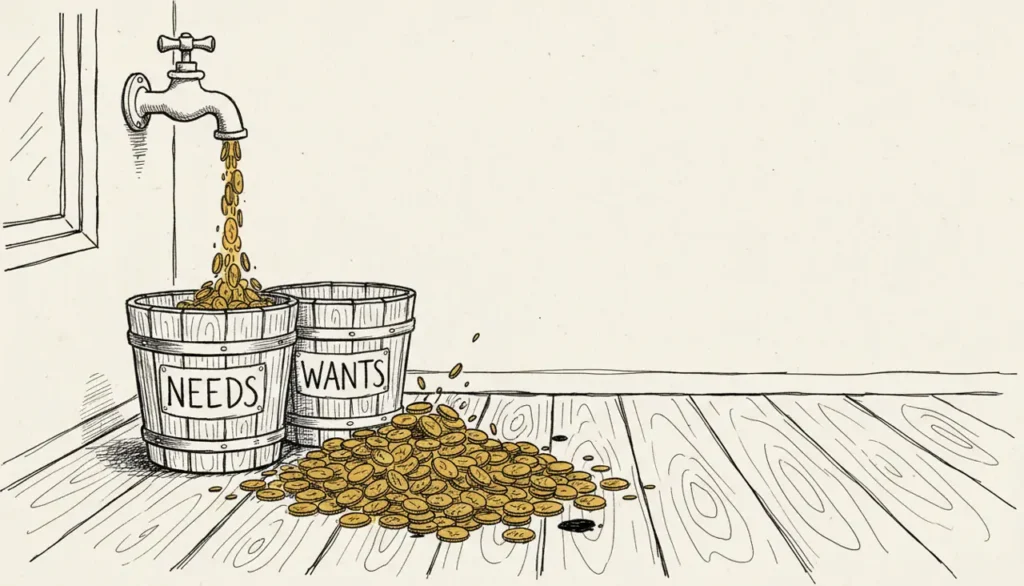
Cost optimisation does not mean cutting every expense that looks large.
That approach may improve the next report while weakening delivery, customer service or future sales.
Good cost optimisation identifies spending that is unnecessary, poorly controlled or producing too little value.
Cost Cutting And Cost Optimisation Are Different
Cost cutting usually focuses on reducing the total amount spent.
Cost optimisation asks a wider set of questions:
- Is the expense still needed?
- Is the business paying a reasonable amount?
- Is the expense producing the expected result?
- Is there duplication, waste or rework?
- Would reducing the expense damage revenue or delivery?
- Is there a better way to achieve the same outcome?
Why Costs Quietly Increase
Many cost problems do not begin with one large purchase.
They build gradually through small decisions that are not reviewed later.
Renewals Continue Automatically
Software, memberships and service contracts may renew even when usage has fallen or the original need has changed.
Supplier Prices Increase
Unit prices, delivery charges, minimum orders and payment terms may change without a corresponding review of selling prices.
Temporary Spending Becomes Permanent
An expense added during a busy period may remain after the workload or project has ended.
Rework Is Hidden
Mistakes, refunds, overtime and repeat work may be absorbed into payroll or delivery costs instead of being identified separately.
Cost optimisation makes these patterns visible before they become normal.
Seven Common Cost Leaks In SMEs
1. Subscription And Software Sprawl
Businesses often accumulate applications, licences and online services over time.
Common problems include:
- Unused licences.
- More than one tool performing the same function.
- Former employees still included in subscription counts.
- Annual renewals that nobody reviews.
- Higher plans than the business currently needs.
The question is not simply whether the monthly amount is small.
The question is whether the expense still has a clear owner and purpose.
2. Supplier And Purchasing Creep
Supplier costs can rise through price increases, freight, delivery charges, minimum quantities or unfavourable payment terms.
Management should review:
- Changes in unit prices.
- Alternative suppliers.
- Order quantities and wastage.
- Urgent purchases made at poor prices.
- Whether higher costs should affect customer pricing.
The lowest quoted price is not always the best choice.
Reliability, quality, lead time and payment terms also matter.
3. Rework, Errors And Refunds
Rework is often treated as an operational issue rather than a financial cost.
It may include:
- Repeating work because instructions were unclear.
- Replacing damaged or incorrect products.
- Refunds and credits.
- Overtime caused by avoidable mistakes.
- Customer support time spent fixing recurring problems.
The payroll has already been paid, so the cost can be easy to miss.
But the business is using capacity without producing additional revenue.
4. Platform, Delivery And Transaction Fees
Small charges can become significant when applied across many transactions.
This may include:
- Marketplace commissions.
- Delivery-platform fees.
- Payment-processing charges.
- Foreign-exchange costs.
- Bank charges.
- Rush or special-handling fees.
Management should understand the total cost of each sales channel, not only the revenue it generates.
5. Inventory, Materials And Wastage
Cash may be tied up in stock that is slow-moving, damaged, obsolete or purchased in unsuitable quantities.
Cost optimisation may involve reviewing:
- Slow-moving inventory.
- Spoilage and shrinkage.
- Purchasing frequency.
- Emergency buying.
- Minimum-order quantities.
- Materials used beyond the original estimate.
The objective is not simply to hold less stock.
It is to balance availability, service level, risk and cash tied up.
6. Over-Servicing And Uncontrolled Scope
Some businesses provide more work than the customer has paid for.
This may happen through:
- Unclear project scope.
- Unlimited revisions.
- Extra requests accepted without repricing.
- Premium support provided under a basic package.
- High-maintenance customers using disproportionate time.
The revenue may look acceptable while the delivery cost quietly removes the profit.
7. Financing And Payment Penalties
Weak cash timing may create additional costs such as:
- Interest.
- Late-payment charges.
- Penalties.
- Overdraft costs.
- Urgent short-term financing.
- Lost early-payment discounts.
These costs may appear financial, but the underlying cause may sit in invoicing, collections, payment planning or profitability.
Start With The Largest Useful Questions
Reviewing every small expense at once creates noise.
Start with areas that are:
- Large enough to matter.
- Growing faster than revenue.
- Repeated every month.
- Unusual compared with previous periods.
- Connected to customer complaints or rework.
- Difficult for anyone to explain.
This helps management focus on material patterns instead of cutting small items simply because they are easy to see.
A Practical Cost Optimisation Process
1. Confirm The Records
Ensure the relevant expenses are recorded consistently and significant supplier bills or adjustments are not missing.
2. Identify Important Movements
Compare costs with prior periods, expected activity and changes in revenue.
3. Understand The Cause
Determine whether the change came from price, quantity, wastage, additional capacity, poor process or a deliberate business decision.
4. Assess Business Value
Consider whether the cost supports customers, delivery, compliance, staff productivity, risk reduction or profitable growth.
5. Choose The Appropriate Response
The response may be to remove, reduce, renegotiate, redesign, reprice or retain the expense.
6. Assign Responsibility
Give the action an owner and a review point so the issue does not return without notice.
7. Check The Result
Confirm whether the expected saving occurred and whether service, quality or revenue was affected.
Do Not Cut The Muscle With The Waste
Some expenses may look easy to reduce but are important to the business.
Examples may include:
- Staff or systems supporting customer delivery.
- Maintenance that prevents larger breakdowns.
- Training linked to quality or compliance.
- Marketing channels producing suitable customers.
- Technology reducing manual work or errors.
- Professional support managing important risks.
Before removing an expense, review the result it supports.
Cost Optimisation And Pricing Should Be Reviewed Together
Not every rising cost should be absorbed by the business.
When supplier, payroll or delivery costs increase, management should consider whether:
- The process can be improved.
- The supplier arrangement can be changed.
- The product or service should be redesigned.
- The customer price should change.
- The work remains commercially worthwhile.
Reducing costs while leaving an underpriced offer unchanged may provide only temporary relief.
Review Costs Together With Cash, Profit And Revenue
CFOSg uses the CPR Compass™ to connect cost decisions to the wider financial position.
Cash
Is the expense creating immediate payment pressure or tying up cash?
Profit
Is the cost reducing margin or operating profit significantly?
Revenue
Does the expense support suitable sales, customer retention or delivery?
Decision
Should the cost be retained, reduced, renegotiated, redesigned or removed?
A cost may create short-term cash pressure while still supporting profitable revenue.
Another cost may appear small but produce no useful result at all.
The context matters.
Use Monthly Money Day To Watch Cost Movement
Monthly Money Day gives the owner a regular time to review significant cost changes.
Useful questions include:
- Which costs increased significantly?
- Was the increase planned or unexpected?
- Did revenue or delivery activity explain it?
- Which costs did not produce the expected result?
- Did supplier prices, fees or payment terms change?
- Was there unusual rework, overtime or wastage?
- Which cost issue requires management action?
Operational teams may monitor urgent purchasing, wastage or rework during the month.
Money Day is the wider owner review of what changed and why.
How Xero Can Support Cost Review
Reliable Xero records can help management compare expenses and understand where changes occurred.
Useful areas may include:
- Profit and loss reports.
- Supplier bills and payment history.
- Expense accounts.
- Tracking reports where suitable.
- Comparisons with prior periods or budgets.
- Bank Summary and cash movements.
- Supporting operational information outside Xero.
Accounting information may show that a cost changed.
Management may still need operational records to understand whether the cause was pricing, quantity, wastage, workload or process failure.
Common Cost Optimisation Mistakes
- Cutting costs without understanding what they support.
- Focusing only on small visible expenses.
- Ignoring rework and wasted staff time.
- Accepting supplier increases without reviewing pricing.
- Reducing service quality in a way that damages customers.
- Removing marketing without checking which channels work.
- Saving money once without changing the process that caused the leak.
- Assuming every cost increase is bad.
- Failing to confirm whether the saving actually occurred.
Common Questions About Cost Optimisation
Will cost optimisation hurt growth?
Is cost optimisation just negotiating with suppliers?
Should we always focus on the largest expense?
How do we stop costs from increasing again?
Can Xero identify every cost leak?
Should an SME cut costs when cash feels tight?
The Cost Optimisation For SMEs In Singapore Takeaway
Good cost optimisation should help the business:
- Identify waste and unexplained cost increases.
- Protect useful spending.
- Reduce rework and inefficiency.
- Improve supplier and purchasing decisions.
- Understand the real cost of customers, products and channels.
- Prevent savings from disappearing later.
- Strengthen profit without weakening the business.
Related: Financial Management For SMEs • Cash Vs Profit Vs Revenue Test • Monthly Money Day • CPR Compass™
Are Costs Rising Without A Clear Explanation?
CFOSg can help review your Xero records, margins and operating costs so management can reduce waste without cutting the parts of the business that support customers and growth.
Book A 15-Minute Call See Xero Services